Loose, uneven yarn ends sticking out along the edge of a velvet roll are what weavers call a fuzzy selvedge (in Turkish mills, “sakal”, literally “beard”). It spoils the look of the roll, can drop the fabric into a lower quality grade and adds trimming work for the garment or upholstery maker. This guide is for technicians running Van de Wiele velvet looms. It covers the four most common causes and which part to check for each. The velvet selvedge cutter is usually the first suspect, but it is not always the culprit.
What a fuzzy selvedge is and why it matters
On every pick the weft crosses the full fabric width and leaves a surplus at the edge. The selvedge cutter trims that surplus, the selvedge knitting unit locks the edge, and the selvedge waste take-up pulls the trimmed waste away from the cloth. When any of these three jobs falters, uncut, half-cut or re-entangled yarn ends remain at the edge.
The fault usually creeps in: first every few metres, then all the time. Caught early, it is often fixed with one part or a proper clean.
Cause 1: why a worn selvedge cutter leaves fuzz on velvet
The most common cause is a blunt or damaged selvedge cutter. A dull edge crushes or drags the yarn instead of cutting it, and the ends are left frayed.
What to check:
- Nicks, glazing or rounding on the cutting edge
- Whether the blades close fully or leave a gap
- Yarn dust and clippings packed around the cutter
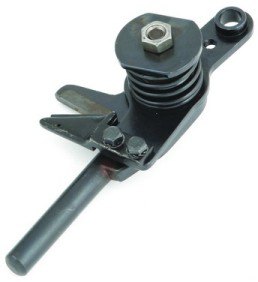
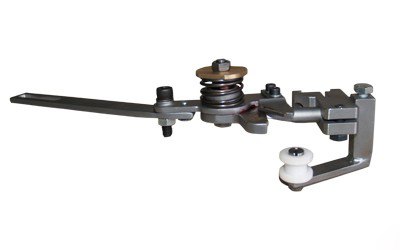
For Van de Wiele VME and VMM we supply the VME - VMM Selvedge Cutter Complete (M5) and the single VMM - VME Selvedge Cutter (M10). On MPS looms the right and left sides are separate parts: MPS Selvedge Cutter Complete Right (M6) and MPS Selvedge Cutter Complete Left (M7).
Cause 2: tired spring or a loose connection
Even with a sharp edge, the cut will be incomplete if the spring that presses the blades together has weakened or the cutter mounting has developed play. The typical pattern here is intermittent fuzz: some picks cut clean, others do not.
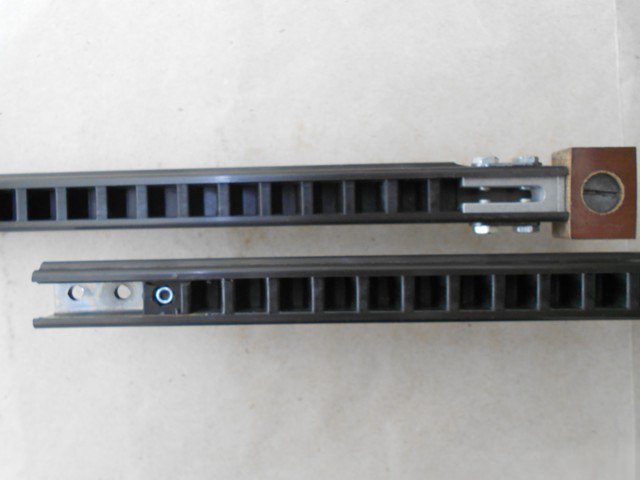
On VME and VMM looms, check the VME - VMM Selvedge Cutter Spring (M16) and the VME - VMM Selvedge Cutter Connection (M8). The cutter on the opposite side of the same loom is a handy reference when you compare spring feel by hand.
Cause 3: selvedge knitting not locking the edge
The selvedge knitting unit secures the edge after the cut. If the knitting element is worn or its yarn feed is uneven, the cut weft ends are not held and slide out of the edge. A new cutter will not help in that case.
Our catalogue lists three selvedge knitting element types: needle (KO1), perforated (KO2) and grooved (KO3). If you are not sure which one your loom uses, a photo is enough.
Cause 4: weak selvedge waste take-up
If the trimmed waste is not pulled away steadily, it builds up around the cutter, gets in the way of the next cut and loose pieces end up back in the edge. When the Selvedge Waste Take-up Gears (D10) wear, take-up becomes irregular. If clippings keep collecting at the cutter, look here first.
Field note: Is the fuzz on one edge or both? If only one side is affected, the problem lies in that side’s cutter, spring or knitting unit. If both edges started at the same time, look for a common cause first, such as a change of weft yarn or a general setting drift.
Quick fault table
| Symptom | Likely cause | Part to check |
|---|---|---|
| Constant, regular fuzz | Blunt cutter edge | Selvedge cutter (M5, M10, M6, M7) |
| Intermittent fuzz, some picks clean | Tired spring or loose mounting | Cutter spring (M16), connection (M8) |
| Clean cut but ends slide out of the edge | Knitting not locking | Selvedge knitting element (KO1, KO2, KO3) |
| Clippings building up at the cutter | Weak waste take-up | Selvedge waste take-up gears (D10) |
| Fuzz started on both edges at once | Common setting or yarn change | Settings and yarn first, then parts |
Checking order
To avoid wasted time, work in this order:
- Clean the cutter area and see whether the fuzz persists.
- Inspect the cutting edge by eye and by touch.
- Compare the spring with the one on the opposite side and look for play in the mounting.
- Watch the yarn feed on the selvedge knitting element.
- Confirm the waste take-up clears the trim on every pick.
All of these parts are listed by code on the Cutter Group page.
FAQ
Can I keep regrinding the cutter?
Some mills do. But if regrinding has spoiled the way the blades close, the fuzz returns quickly. On a nicked or damaged cutter, replacement is the more reliable fix.
Are the right and left cutters interchangeable?
On MPS looms the right and left selvedge cutters are separate codes (M6 and M7). Each must go on its own side.
Does fuzz affect quality or only appearance?
Mainly appearance and quality grade, but uncut ends can cause trouble during batching and add labour for your customer.
If you are not sure which velvet selvedge cutter fits your loom, send a photo of it on WhatsApp to +90 541 951 44 10 and we will identify the code with you.