Velvet has deep roots in Türkiye and is still woven there today on modern looms, from upholstery and apparel velvet to curtain and decorative fabrics. This article gives a general picture of Türkiye’s place in velvet fabric production for mill owners, newcomers to the trade and overseas buyers thinking of sourcing velvet or loom spare parts from Türkiye. Rather than quote statistics, we focus on how the industry is organised and what we see on the shop floor.
Where velvet fabric production in Türkiye comes from
Velvet has been known in Anatolia for centuries. In the Ottoman period Bursa is generally regarded as a centre for silk and velvet weaving, and the patterned velvets known as “çatma” are counted among the well-known examples of that tradition. That heritage is considered part of the city’s textile identity to this day.
Today velvet is woven far less on hand looms and far more on modern face-to-face looms. These looms weave two cloth layers at once and cut the pile yarns between them with a knife, producing two separate velvet rolls. The method puts the knife, grinding and weft insertion systems at the centre of production, because they decide both output and the evenness of the pile.
How the industry is organised today
Velvet and similar pile fabric production in Türkiye is concentrated in the regions where the textile industry is strongest. Bursa is widely regarded as one of the cities that comes to mind for weaving and upholstery fabrics. On the carpet side, Gaziantep is generally recognised as a centre of machine-made carpet production. Because velvet and carpet loom technology is closely related, the two sectors share a great deal of spare parts and maintenance know-how.
From what we see in mills, the industry has a few defining features:
- Mixed loom parks: looms of different models and ages often run side by side. Van de Wiele MPS, VMM and VME velvet looms and Günne looms are common.
- Long loom lives: well-maintained looms stay in production for many years, so demand for spare parts never stops.
- Fast-changing collections: designs and colours change often in upholstery and decorative velvet, so a loom that runs without trouble is critical to delivery dates.
- Export-led production: a large share of the velvet produced goes to overseas customers, which keeps quality expectations high.
The role of local spare parts supply
A modern velvet loom is a machine with hundreds of moving parts working together. Some of them are wear parts that need regular replacement: knife cord, grinding stones, selvedge cutters, cutter diamonds, rapier heads. How long it takes to get a part is, in practice, how long the loom stands still.
| Supply factor | Effect in the mill | Example part |
|---|---|---|
| Fast delivery | Shorter downtime | Grinding Stone FI (B12) |
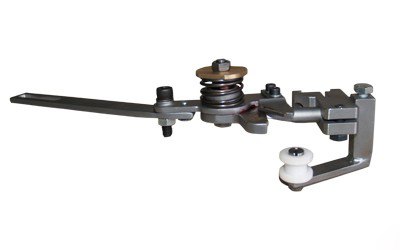
| Matching from photos | Fewer wrong parts | Selvedge cutters, rapier heads |
| Complete assemblies | One change, less setting | VDW Carbon Rapier Set Complete (K1) |
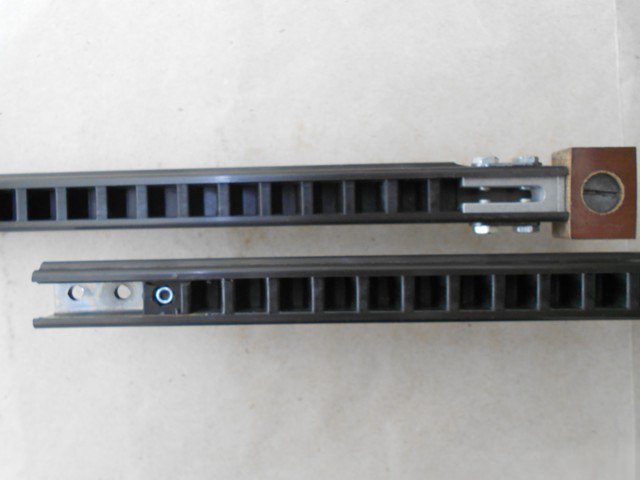
| Codes by loom model | Orderly stock in mixed loom parks | VME - VMM Selvedge Cutter Complete (M5) |
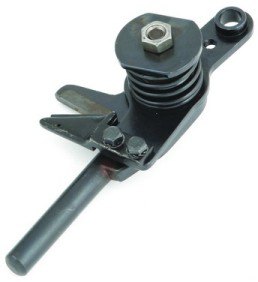
| Carpet and velvet parts in one place | One supplier to deal with | Velvet Pulley Block (P5) |
At Göktürk Tekstil we have met this need for more than thirty years by making and supplying spare parts for velvet and carpet looms. Our parts are compatible replacements made by Göktürk, matched to the loom model.
Field note: In velvet production, most downtime is caused not by major breakdowns but by small wear parts that were not replaced in time. Mills that always keep at least one spare knife cord, grinding stone and selvedge cutter on the shelf find it much easier to hit their delivery dates.
Exports from Türkiye: fabric and parts
Türkiye exports not only velvet fabric but also spare parts for velvet and carpet looms. Our own export customers include mills in India, Egypt, Indonesia and Italy. Their maintenance teams identify parts by catalogue code and photo, and we do the matching from Istanbul. Geographic proximity and a shared loom park make Türkiye a practical sourcing point, particularly for mills in the Middle East and Europe.
Issues facing the industry
Topics velvet producers raise with us most often:
- Keeping parts available for an ageing loom park
- Training skilled loom technicians and passing on maintenance know-how
- Flexible production for fast collection changes
- Meeting the quality expectations of overseas customers
To help pass on maintenance know-how, we publish regular articles on loom maintenance and fault finding on our blog. All velvet loom parts are listed on the Velvet Loom Parts page.
FAQ
Which looms are used for velvet production in Türkiye?
Mostly modern face-to-face velvet looms. Van de Wiele MPS, VMM and VME models and Günne looms are widely used.
How can an overseas mill source spare parts from Türkiye?
Send the part code or a photo. We match the part and reply with price and delivery time; the whole catalogue is available in English.
Can carpet and velvet loom parts come from the same supplier?
Yes. Alongside velvet loom parts, our catalogue includes parts for CRP, CRX, CRT and CRM carpet looms, such as pulley blocks and knife cord drums.
For spare parts for your velvet fabric production, send the part code or a photo on WhatsApp to +90 541 951 44 10.