When the weft is not cut on a velvet loom, a chain reaction follows: loose yarn at the edge, fabric faults and repeated stops. This article gives maintenance technicians on Van de Wiele MPS, VME and VMM looms a fault-finding order for the weft cutter. The idea is simple: instead of changing parts at random, start with the cheapest and quickest check and work towards the expensive parts. For each step we say what to look at and which part becomes the suspect.
Pin down the symptom first
“The weft is not being cut” can mean three different things, and each points to a different part:
- Never cuts: the cutter does not move, or the edges never meet. Think broken linkage or a broken part.
- Misses now and then: the cutter moves but fails on some picks. Suspect the spring, play in the linkage or timing.
- Cuts badly: the weft end is crushed, frayed or leaves long tails. Suspect the cutting edge and cutting pressure.
Writing down in the shift log which of the three you see, whether it is on the left or right, and which yarn was running when it started will shorten the search considerably.
Fault-finding order for the Van de Wiele weft cutter
- Visual check: stop the loom and look for yarn wrapped around the cutter, dust build-up or foreign objects. Yarn wound into the cutter jaws is the most common and cheapest cause.
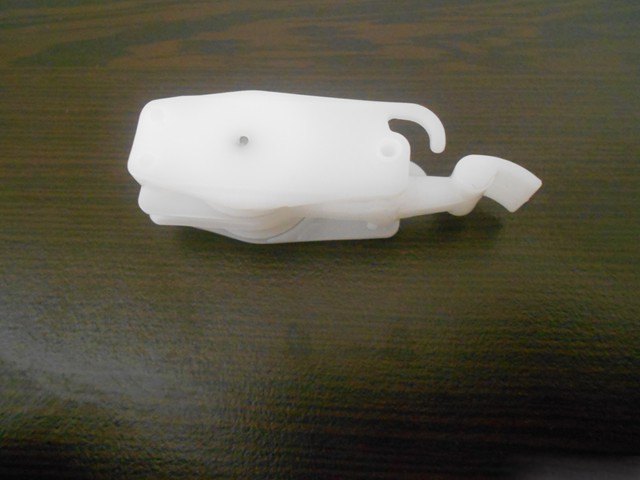
- Cutter diamonds: check the cutting edges for chips, blunting or breakage. Make sure the diamond is seated correctly and its fixings have not worked loose.
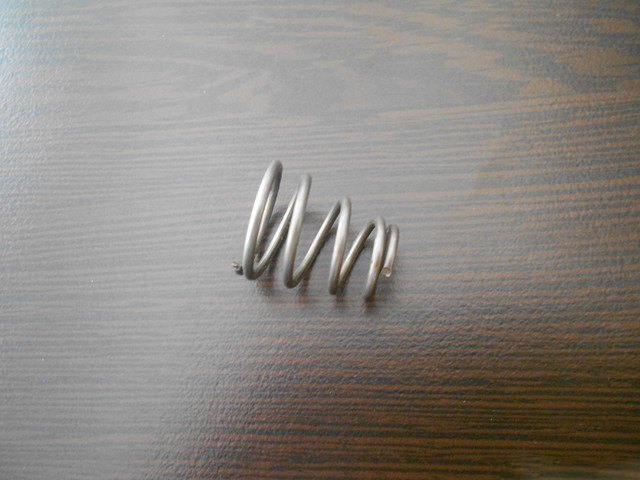
- Cutter spring: confirm the spring is in place, intact and not fatigued. An unhooked spring is a frequent cause of intermittent misses.
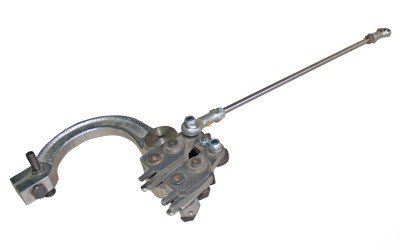
- Cutter arm: move the arm by hand; play at the pins or bores stops the cutter closing fully.
- Cutter shaft: look for play in the shaft bearings, bending or wear marks. Shaft play keeps spoiling the cut even after a new arm is fitted.
- Auxiliary parts: check that the weft holder and mirror in the cutter group are in place and undamaged.
- Timing: if all parts are sound, check the cutting moment against the setting in your loom manual. Timing must be set according to the manufacturer’s documentation.
Field note: Change only one thing at each step and run a few picks to see the result. Replacing diamond, spring and arm all at once may clear the fault but hides the real cause, and when it comes back you start from zero again.
Symptom and part table
| Symptom | Likely cause | Part to check |
|---|---|---|
| Cutter does not move at all | Linkage disconnected or broken | Cutter arm, cutter shaft |
| Cutter moves but does not close | Play in arm or shaft | Cutter arm, shaft bearings |
| Intermittent missed cuts | Spring unhooked or fatigued | Weft cutter spring |
| Crushed, frayed weft end | Blunt cutting edge | Cutter diamond |
| Problem on one side only | Wear in that side’s assembly | Diamond and arm on that side |
| Cutting moment varies | Timing has drifted | Loom setting, shaft linkage |
Which part for which model?
Weft cutter parts in our catalogue are split by model:
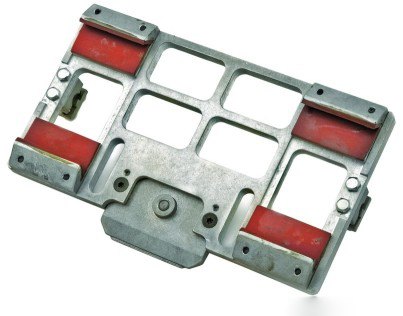
- MPS: the MPS Weft Cutter Group Complete (M2) and the MPS Weft Cutter Arm (M3).
- VME: the VME Weft Cutter Arm (M4).
- VMM: the VMM Weft Cutter Group Complete (M1) and the Weft Cutter Diamond VMM (M13).
- Listed without a model: the Weft Cutter Shaft (M9) and the Weft Cutter Diamond Small (M11) and Large (M12).
For codes without a listed model, we confirm fit from your loom nameplate and a photo of the existing part. Every code is on the Cutter Group page.
When does a complete group make sense?
If the fault-finding turns up wear in several parts, a complete group can be quicker than replacing piece by piece. On older assemblies where arm, shaft and diamonds have all worn together, new parts running against old ones become a fresh source of faults. Swapping the complete group finishes the job in one stoppage and makes setting up simpler. If only one part is at fault, there is no need for the complete group.
FAQ
I changed the diamond but the weft is still not cut. Why?
The problem is probably not the diamond but the spring, arm or shaft. Move on to the next step in the order above, and check arm and shaft play by hand in particular.
Are the same parts used for the left and right cutter?
It depends on the part and the model; some parts are handed. Always state which side you need when ordering, and send a photo if you are not sure.
Can I set the cutter timing myself?
Timing should be set according to the loom manufacturer’s documentation. If you suspect the setting drifted after a part change, have an experienced technician do it.
To find the right Van de Wiele weft cutter part code quickly, send a photo of the cutter and your loom model on WhatsApp to +90 541 951 44 10.